


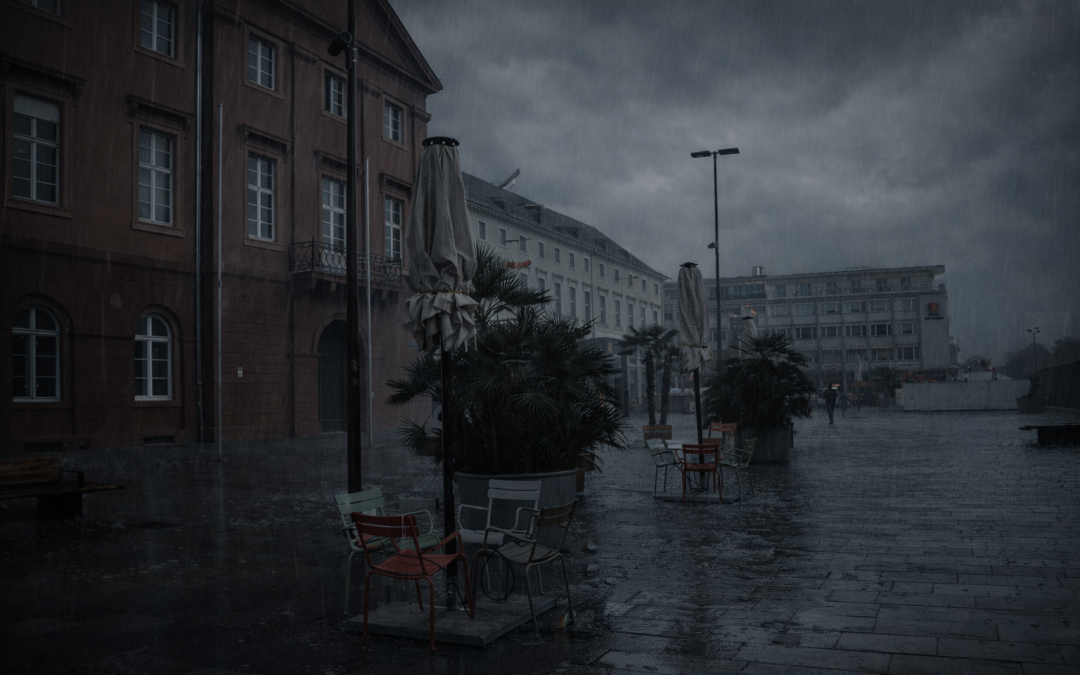
Karlsruhe is facing a financial crisis that has been looming for years and is now becoming fully apparent. The massive slump in trade tax revenues, the threat of repayment of over 50 million euros and the now imposed freeze on staffing are not isolated events, but symptoms of a structural problem in the city budget and the local economy. A municipal budget freeze can no longer be ruled out.
The freeze on appointments from March is the city administration's response to a financial shortfall of around 50 million euros caused by a tax repayment claim from energy supplier EnBW, as reported by SWR and BNN. At the same time, a budget freeze of a further 60 million euros is in the offing. For FÜR Karlsruhe, it is clear that this development comes as no surprise. For years, individual city councillors, experts and many citizens have been warning of steadily growing debt, rising interest charges and ever tighter financial leeway.
The total debt of the city and its holdings now stands at several billion euros. Even today, Karlsruhe is barely earning the interest due, warns City Councillor Friedemann Kalmbach (FÜR Karlsruhe) in the local edition of BNN on Friday, February 13, 2026. Nevertheless, decisions have been made in recent budget years that have created new permanent expenditure or further consolidated existing structures without taking long-term financial viability into account.
Councillor Kalmbach (FÜR Karlsruhe) criticizes the fact that necessary structural changes have been postponed for too long. It was already clear during the budget negotiations last fall that savings of 80 million would not be enough and that at least up to 130 million would have to be saved. This gap is now falling on the feet of the city and the municipal council. Instead of an honest debate on priorities, individual interests, project-related exceptions and short-term political compromises dominate. The current across-the-board savings instruments now threaten to hit precisely those areas that are particularly important for social cohesion and the city's performance.
A freeze on staffing now seems unavoidable in the current situation and is bitter, but it is no substitute for a sustainable budget policy," explains City Councillor Kalmbach (FOR Karlsruhe). "We finally need a clear distinction between compulsory and voluntary services, realistic investment planning and the courage to make uncomfortable decisions. I call on the municipal council and the administration to see the current crisis as a turning point. What is needed is a transparent presentation of the financial risks, a critical review of all expenditure - including prestigious projects - and a long-term financial concept that goes beyond short-term savings measures. We have reached a point where there can no longer be any bans on thinking. We cannot carry on as before. Many things that we have taken for granted as normal for years will no longer be financially viable and will have to be discontinued. We must conduct this debate openly, honestly and together with the public. If we fail to do so, many people will be in for a harsh awakening. If we have only made selective financial cuts so far, then we must now talk about the fundamentals.
FÜR Karlsruhe will work to ensure that sustainability and responsibility towards future generations once again become the benchmark for the city's financial policy, according to the group's office in the municipal council.
